What Voters Deserve From AI: Democracy Works and States United on Closing the Gap
AI platforms are now an important part of how voters find election information. Millions of people ask chatbots when to vote, where to vote, and how to register. The results are not always complete.
States United recently studied how well AI platforms answer common voter questions. The study found real progress on accuracy. It also found real gaps in whether voters get pointed to reliable sources of information consistently.
Democracy Works builds the data infrastructure behind a lot of the accurate election information that reaches voters online. Its Elections API will supply verified, jurisdiction-specific data to the largest AI platforms this midterm election cycle.
Joanna Lydgate, President & CEO of States United, and Luis Lozada, CEO of Democracy Works, sat down to talk through what the research found, where AI platforms are falling short, and what it will take to deliver accurate election information consistently in AI chatbots.
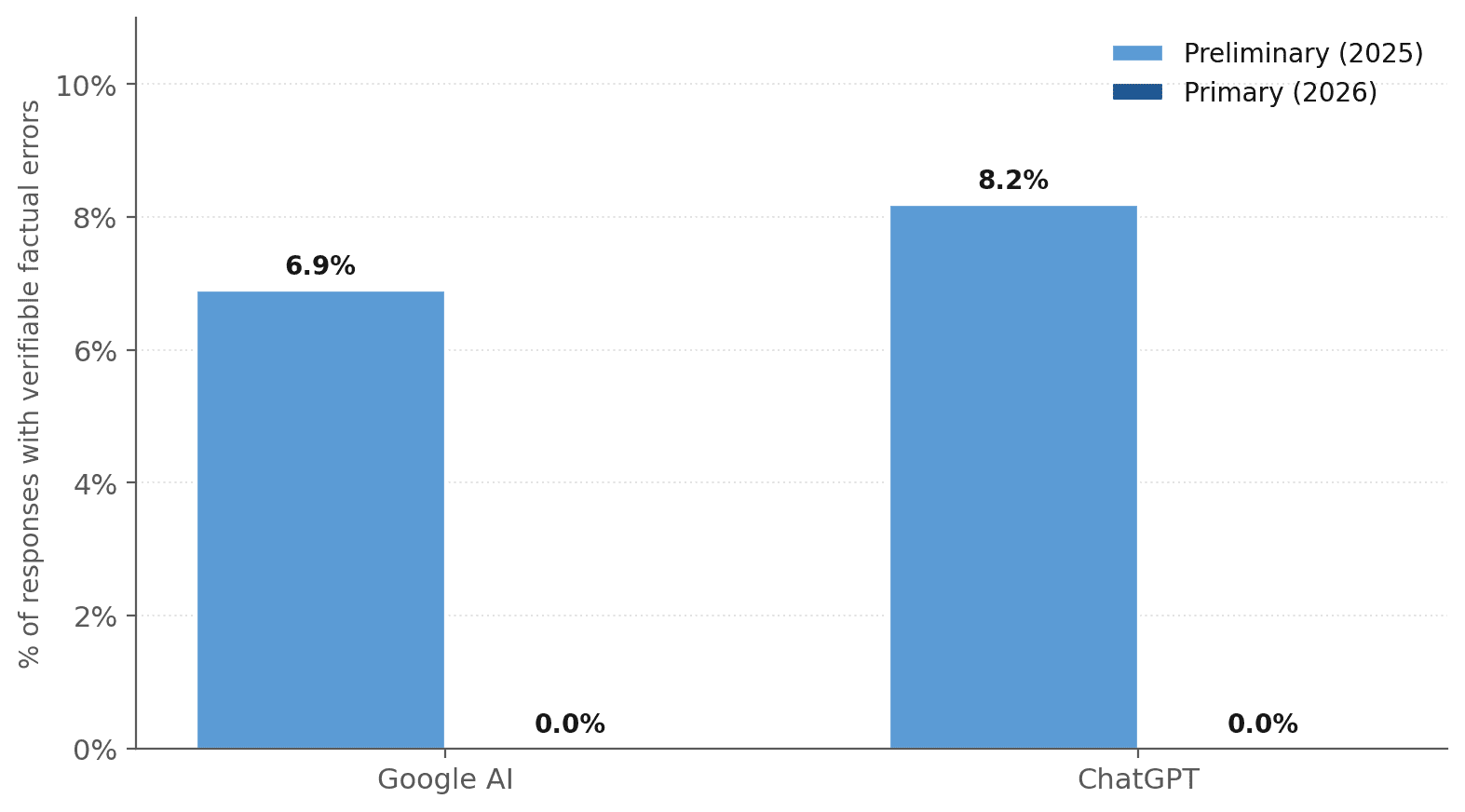
Joanna: Luis, States United recently published a study on how AI handles election questions. The results were mixed. Accuracy is improving. In our first round last fall, error rates were around 7 to 8%. In our second round this year, factual errors dropped to zero. But zero errors didn’t mean voters got the information they needed.
Luis: That gap is what we spend our time thinking about at Democracy Works. Being accurate and being useful are two different bars. In what ways did AI fall short in your study?
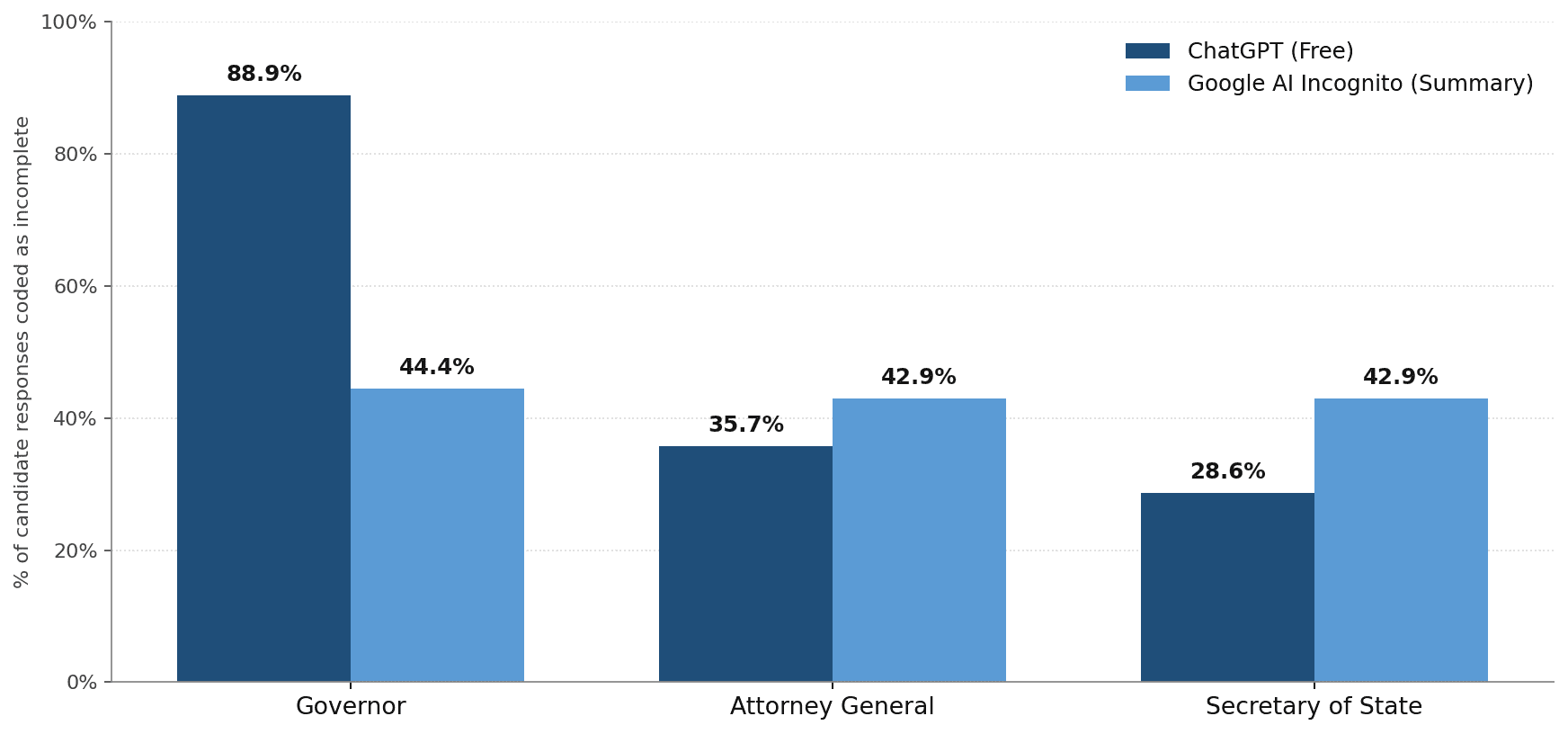
Joanna: Let me give you an example. We asked who’s running for governor in a few states. ChatGPT gave an incomplete list of candidates almost 90% of the time. Not wrong, but missing people who had filed when a state had a large, evolving field.
Luis: Right. That’s a structural problem, not a one-time bug. These models train on historical data and retrieve information periodically. They aren’t built to track a candidate filing from three days ago.
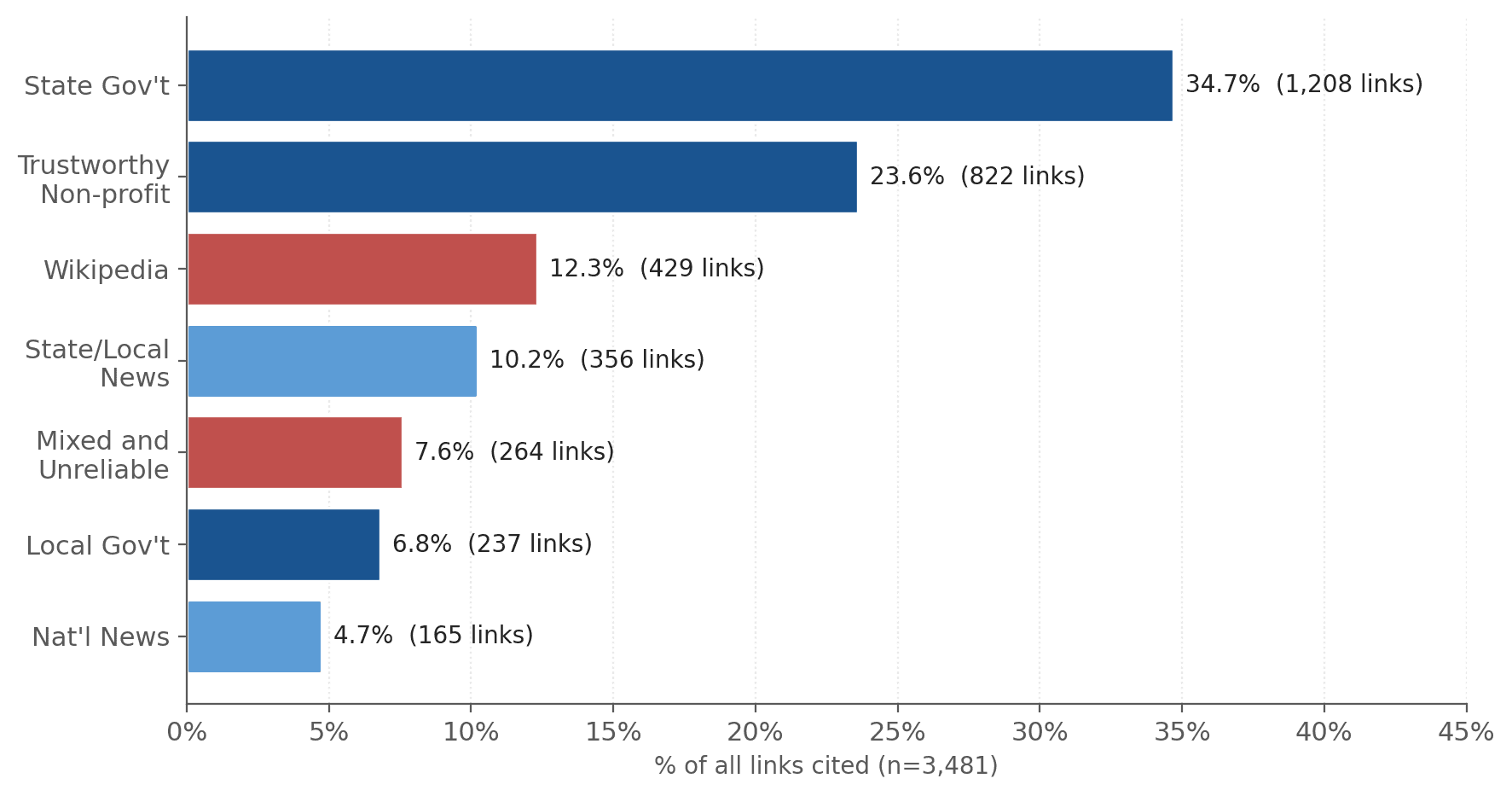
Joanna: The platforms relied on Wikipedia a lot, too. Wikipedia links accounted for over 12% of the sources cited across the platforms. Nobody administering elections is accountable for what shows up there.
Luis: Wikipedia is accessible and generally well-maintained, but it’s open to edits by anyone. That shows the need for an Elections API. Instead of a platform presenting an answer based on whatever it finds online, our API pulls from the source responsible for the data: the jurisdiction itself. This reduces the risk of an AI system publishing information that has been changed, manipulated, or simply left out of context by a competing or malicious source online.
Joanna: Before we go further, can you say more about what an API is?
Luis: Sure. API stands for application programming interface. Put simply, it lets two computer systems share information with each other. Think of it like a waiter in a restaurant. You tell the waiter what you want, the waiter takes that request to the kitchen, and then brings your order back to you.
Democracy Works’ Elections API is that waiter for election data. We collect and verify information from election offices. When a chatbot needs an answer, it sends our API a request and gets back a verified answer, sourced from the election office responsible for that information. The challenge is that thousands of election jurisdictions maintain their own information in different places and formats, and some require personal information or CAPTCHA completion to access it. Our API consolidates that data into a single, standardized system, so platforms don’t have to navigate a different process for every jurisdiction.
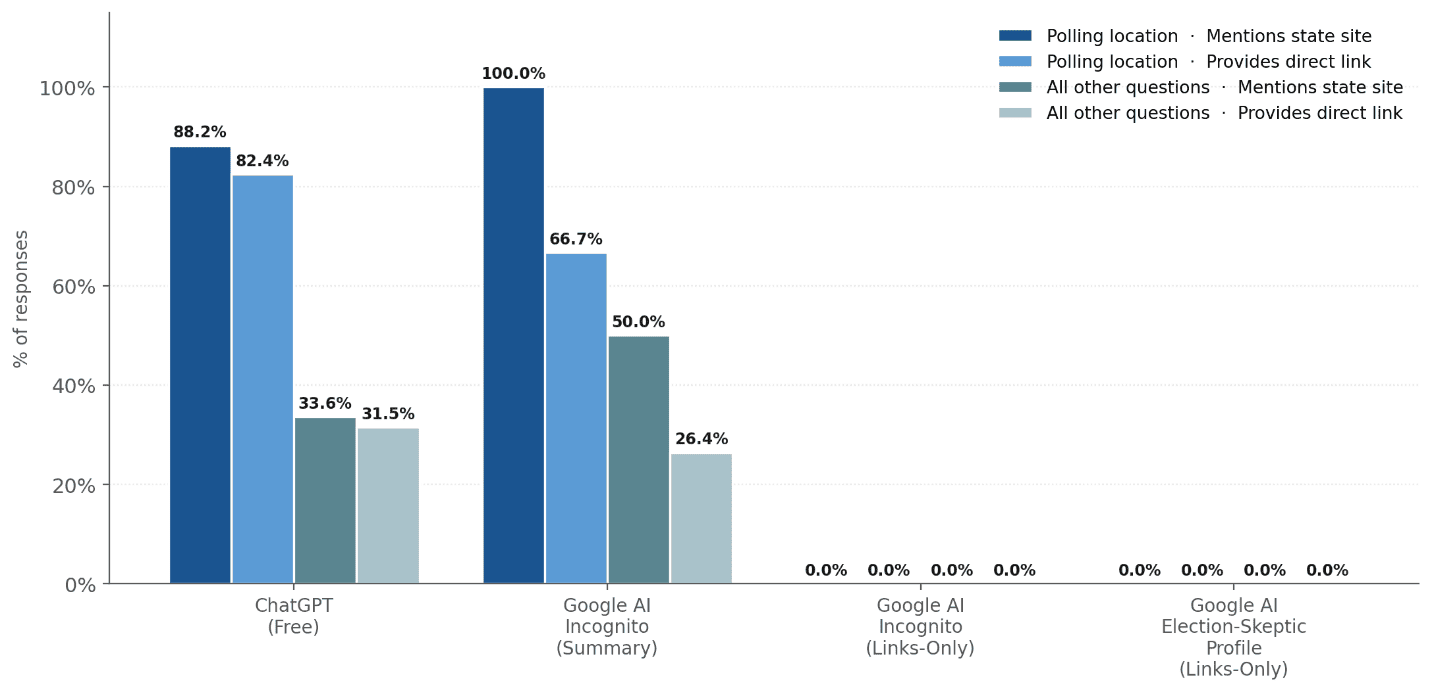
Joanna: That connects to our biggest concern. States run elections, so our study looked at how often these AI platforms point voters back to their state’s official election site. It was less than half the time. For some questions, almost never.
Luis: That number matters to us too. Official election sites are the public record, but they serve many needs beyond helping voters and are not always built for the busy voter who needs to know what to do right now. The key is making sure AI can connect voters to the correct official information when they need it. If it cannot, voters can end up with incomplete or incorrect answers.
Joanna: On that point, there was one bright spot in our study. When we asked for the closest polling location, ChatGPT mentioned the state’s election website 88% of the time. Google AI did it 100% of the time in incognito mode. The platforms couldn’t answer the question themselves. They had no choice but to send people to the election office websites.
Luis: That’s an important finding. Referring voters to election office websites is a good first step. But I wonder how many voters actually click through and find their polling place once they land there. A referral only helps if the voter follows it all the way to an answer. That’s the gap we want to close. Our Elections API gives platforms structured data for each jurisdiction, including polling locations. So instead of pointing a voter toward an answer, a platform can just give them the answer, in the fewest clicks possible.
Joanna: Claude was the one platform we looked at with a standing referral built in, which was good to see. When someone asks an election question, a banner points them to TurboVote, a nonpartisan service operated by your organization that provides jurisdiction-specific information. It’s not part of the generated text, so it survives even when an answer is incomplete or the format changes.
Luis: That’s a good example of how referral can work well. TurboVote is built with the data in our Elections API. When voters reach TurboVote, they can enter their address and access everything they need to make a plan to vote with no additional friction. Our goal is always to provide the voter with accurate information in as few clicks as possible.
Our next step is working with AI platforms to deliver accurate election information directly within chatbot answers. And because the information we provide comes from election offices, voters can trust the answers they get.
Joanna: That aligns with our recommendations. We’d like to see AI platforms always reference official sources for election information and stop leaning on Wikipedia for urgent, time-sensitive information. It would be helpful for the platforms to build real-time integrations for things like candidate filings.
Luis: We agree. None of this requires a perfect model. It just requires a platform that’s honest about its limits and builds around them.
Joanna: How do you see this work playing out in 2026 and beyond, Luis?
Luis: This work is critical and ongoing. Voters today are transitioning away from search results to AI summaries and chatbots, and we’re here to support them. At Democracy Works, we strive to get accurate election information in front of voters wherever they look for it. We’re passionate about creating a reliable elections data infrastructure that tech platforms can build on, for this midterm election and in the future.
Joanna: That’s great. We know state and local election officials are working overtime to ensure voters have access to accurate information. The more that AI platforms can connect voters to those official sources, the better off our democracy will be.