States vs. Federal Overreach: Key Fights From 2026
Governors and attorneys general across the country leveraged the courts to defend residents and state authority.
In This Resource
-
New Jersey’s Governor Draws a Line on Federal Immigration Enforcement
-
Keeping Mental Health in Washington Schools
-
Oregon Defends a Watchdog for American Consumers
-
California Wins Fight Over Control of Its National Guard
-
New York’s Attorney General Defends Her Independence
-
State Power Doesn’t End at the Courthouse
When state leaders pushed back against federal overreach in 2026, it wasn’t just about defending the Constitution and the rule of law.
Their legal actions protected health coverage for people with serious illnesses, kept mental health counselors in public schools, and preserved an important consumer watchdog agency. They also defended their authority over the National Guard, and more.
As the Trump administration abused and repeatedly tested the limits of its power, state officials turned to the courts to protect their residents and authority. Though states won major rulings, many cases remain unresolved.
With billions of dollars and residents’ livelihoods on the line, state leaders withstood unprecedented federal pressure and delivered. While there were many victories, here are just five of their stories.

New Jersey Gov. Mikie Sherrill didn’t want federal agents using state parking lots and government buildings as launching points for immigration raids.
In February, she signed an executive order barring federal agents from staging enforcement operations on state property. It also restricted entry to private areas—including childcare centers and government offices—without a judge’s authorization.
The Trump administration sued, arguing that New Jersey was interfering with federal immigration enforcement. But in September, a federal judge dismissed the lawsuit, allowing the governor’s restrictions to remain in place.
“Once again, Trump tried to stop us, and once again we won,” Sherrill said.

Millions of dollars meant to help students struggling with mental health challenges were at risk this summer.
The U.S. Department of Education attempted to terminate congressionally approved grants that help schools hire and train counselors, psychologists, and social workers. Those grants help fill mental health shortages in rural and underserved communities.
In response, Washington Attorney General Nick Brown led a coalition of 15 states to challenge the cuts. Washington schools and universities risked losing more than $20 million in federal mental health grants—money that was approved by Congress and accounted for in the state budget.
In September, a federal judge temporarily blocked the department’s cuts as the case continues.
“We have now beaten back multiple attempts by this administration to illegally gut funding for mental health in our schools,” Brown said. “This program was a promise to America’s youth that their needs would be supported, and we won’t let the president break it.”
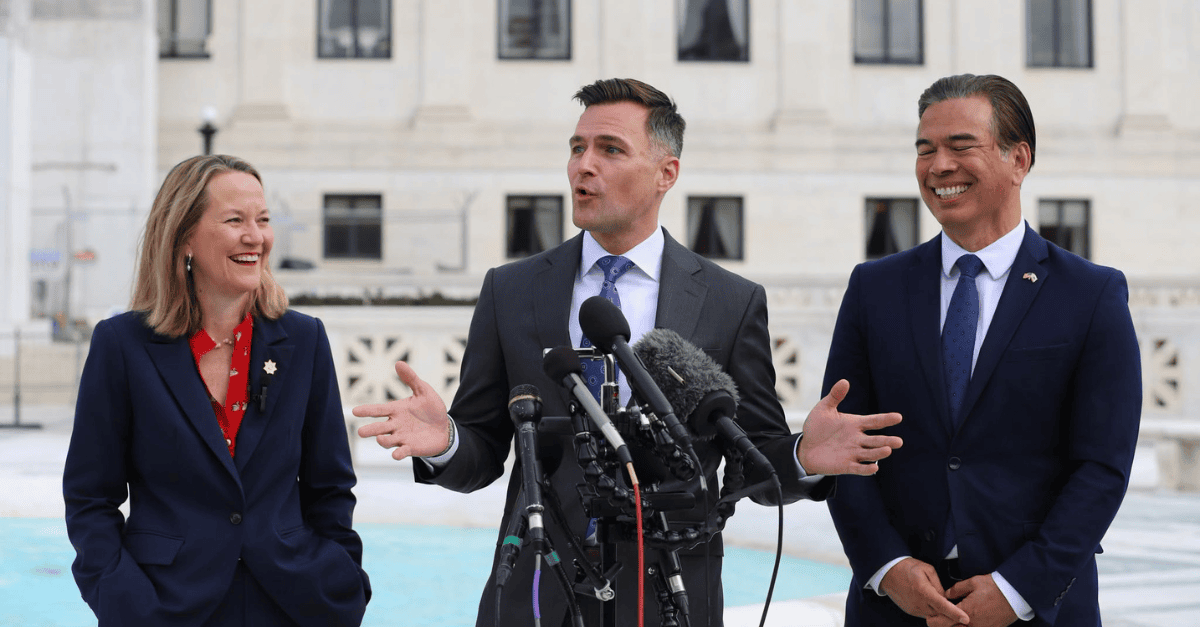
When the Trump administration tried to shut off funding for the federal agency that protects consumers from unfair, deceptive, and abusive financial practices, Oregon Attorney General Dan Rayfield took the lead.
The Consumer Financial Protection Bureau helps Americans challenge hidden fees, inaccurate credit reports, and unfair lending practices. Over 15 years, it has returned roughly $21 billion to consumers.
But when its acting director refused to request the money needed to keep the agency running, Rayfield led a coalition of 21 states and the District of Columbia challenging the cuts.
In September, a federal judge ruled the funding freeze unlawful and ordered the agency to request the funds needed to operate.
“This ruling is a win for every Oregonian who’s ever been hit with a hidden fee or a loan that wasn’t what they were promised,” Rayfield said.

In June 2025, National Guard troops stood outside federal buildings in downtown Los Angeles as protests over immigration raids unfolded. President Trump had ordered thousands of California Guard members into federal service over the objections of Gov. Gavin Newsom and local officials.
“Every governor, red or blue, should reject this outrageous overreach,” Newsom said at the time.
Newsom and Attorney General Rob Bonta went to court to challenge the deployment, launching a legal fight that carried into 2026.
In October, a federal appeals court upheld an order blocking the deployment and returning command of the Guard to Newsom, ruling that the administration had exceeded its authority.
“Deploying the National Guard in Los Angeles with no rhyme or reason was a clear example of federal overreach, and it will not be tolerated,” Bonta said. “When the president tramples on the Constitution and the rights of Californians, we’ll fight to hold him accountable—and we will win.”
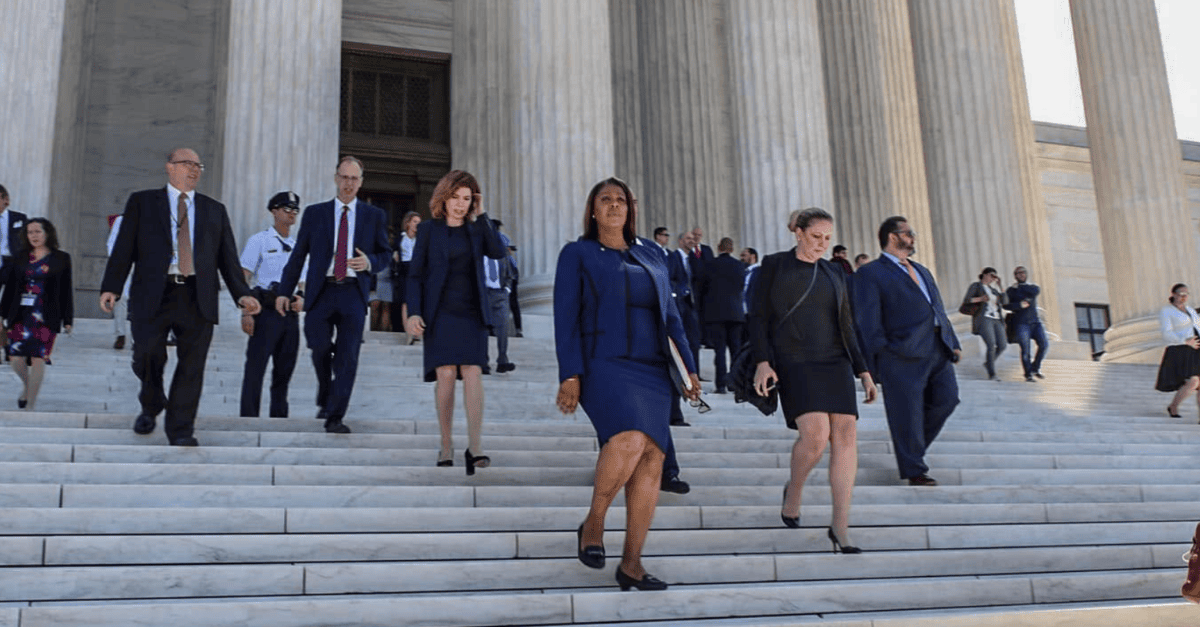
New York Attorney General Letitia James spent part of 2026 fighting federal grand jury subpoenas that sought records from her office’s civil fraud investigation of Trump.
James pushed back, arguing that federal prosecutor John Sarcone III had been unlawfully appointed and lacked authority to issue the subpoenas.
In August, a federal appeals court upheld a lower court’s ruling that threw out the subpoenas, finding that Sarcone was unlawfully serving as acting U.S. attorney.
“When the Executive branch of government skirts restraints put in place by Congress and then uses that power to subject political adversaries to criminal investigations, it acts without lawful authority,” the district court judge wrote in January.
As 2026 showed, states are a powerful check on federal overreach. Whether acting on state-specific issues or as coalitions fighting back against broad federal overreach, governors and attorneys general have shown they can and will hold Washington accountable.
Many legal fights are still playing out, and new clashes are inevitable. The courts are only part of the picture, though, as states hold firm on their constitutional authority and the federal balance of power.
When the Trump administration pushes the bounds of executive authority, state leaders are showing they won’t yield ground and won’t let residents pay the price.