Irrational Rationale
Plus: The FBI expands its investigation into the 2020 election. 🗳️
This Week in Democracy
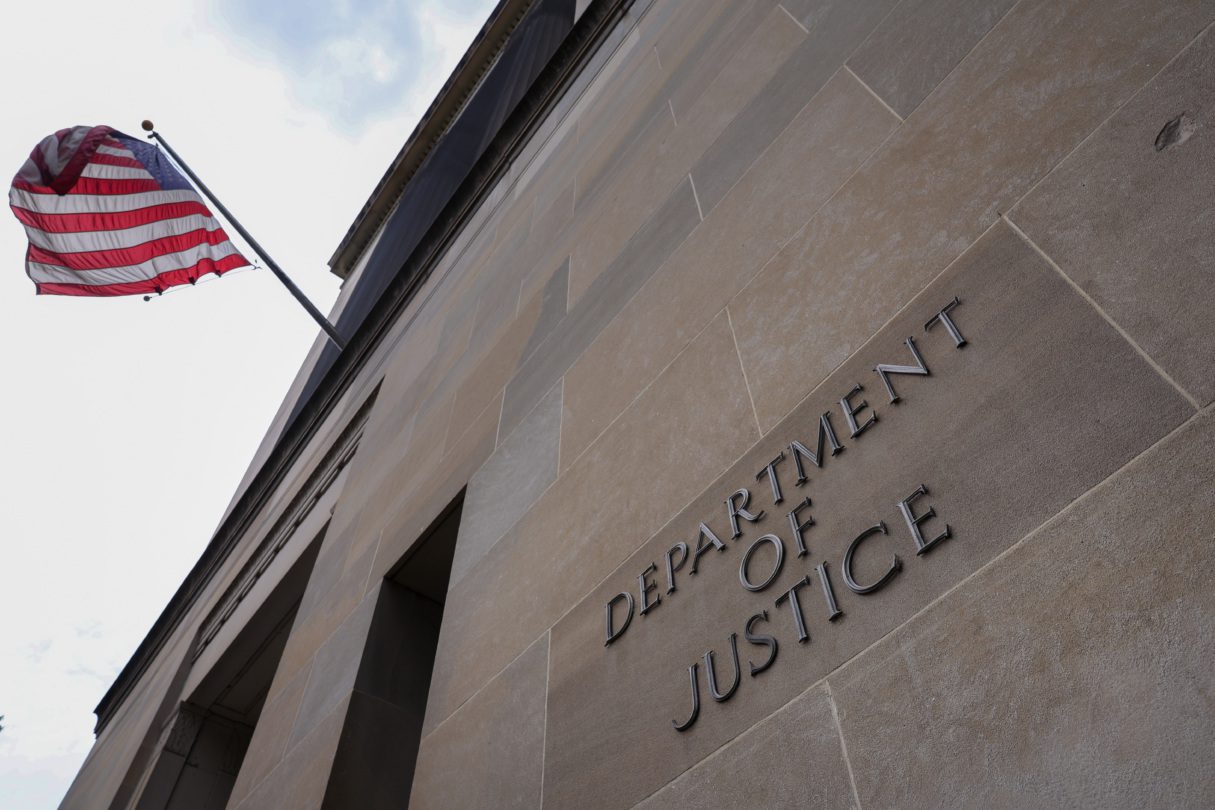
- The Justice Department released a memo purporting to provide a legal rationale for its unlawful demands for states’ voter roll data. The department has sued 30 states and the District of Columbia for voters’ private information. Federal judges have dismissed the department’s efforts to obtain information from Arizona, California, Massachusetts, Michigan, Oregon, and Rhode Island.
At the same time, the Trump administration is reportedly moving forward with its efforts to compile state data into lists of people approved to vote by the federal government. The effort is happening in coordination with Heather Honey, a prominent Election Denier who now works in the administration in an election oversight role. Building the database is a key part of the election-focused executive order that President Trump signed earlier this year.
➡️ READ: Sharing the Facts About Federal Efforts to Compile State Voter Data
- George Christenson, the clerk of Milwaukee County, Wisconsin, announced that FBI agents visited the home of his county’s elections director, seeking to question her about the 2020 election. Christenson said that the county will follow up with the bureau, but noted that the 2020 election was secure and accurate.
“This has been proven repeatedly over the last six years by the post-election canvass, the Presidential Election Recount, State court-based challenge, Federal court-based challenge, the forensic audit by the Wisconsin’s Legislative Audit Bureau, and two additional independent audits,” Christenson said in a statement. “Continuing to relitigate settled questions does not strengthen public confidence in elections but it undermines it.”
➡️ MORE: What’s Breaking Through About the Trump Administration’s 2020 Election Investigation
- Vice President JD Vance announced that the Trump administration would withhold $1.3 billion in federal funding from California’s Medicaid program, citing unsubstantiated allegations of widespread fraud. The administration also suspended more than $250 million in Medicaid funding for Minnesota in February.
California Attorney General Rob Bonta immediately pushed back on the announcement, writing on social media that his state “appears to be targeted solely for political reasons.” Bonta said his office was reviewing the available information and would take legal action if necessary.
➡️ READ: What’s Breaking Through About Politically Motivated Cuts to Social Services
- The Trump administration sued the D.C. Bar’s disciplinary board over its recommendation that former Justice Department official Jeffrey Clark should lose his law license for his involvement in the plot to overturn the 2020 election. The D.C. Bar, the organization that licenses attorneys to practice law in the nation’s capital, made the recommendation last year after a lengthy trial.
➡️ MORE: Backgrounder: Jeffrey Clark’s disciplinary trial
The Justice Department proposed a new policy earlier this year that would undercut state bar associations’ ability to conduct similar ethics investigations into its lawyers. States United and the Society for the Rule of Law Institute wrote to acting U.S. Attorney General Todd Blanche, urging him to withdraw the proposal. The policy would violate federal law and “further erode public trust in the Department of Justice and respect for the rule of law,” the letter reads.
- A federal appeals court heard arguments about Trump’s executive orders that seek to punish law firms associated with his political rivals. The three-judge panel seemed likely to rule that the president’s orders are unconstitutional and strike them down, according to reports.
A group of 18 university professors and scholars represented by States United filed a brief in the appeal, arguing that Trump’s executive orders threaten the rule of law and urging the judges to uphold lower court rulings blocking them from taking effect. Democracies “require legal organizations and lawyers insulated from political pressure and a strong and independent judiciary to stand firm and faithfully apply the law,” the brief reads.
➡️ MORE: About our brief